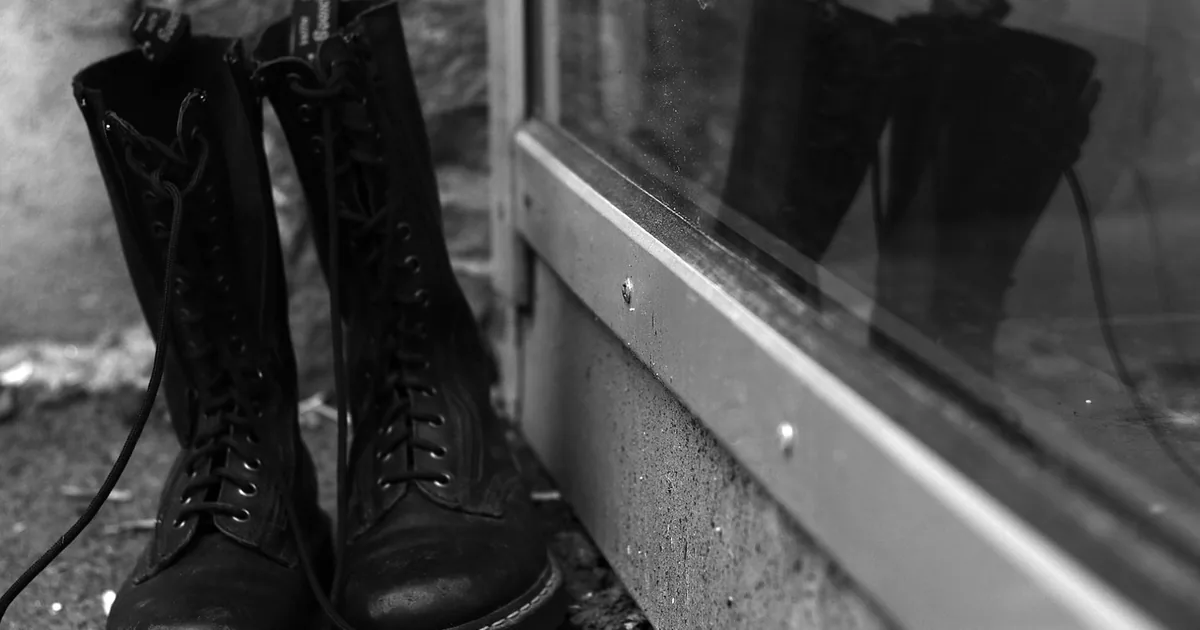
Muck Boot makes neoprene-and-rubber boots for wet, cold, dirty work. The specification that actually determines whether they suit you is the neoprene thickness, and it is the one most buyers skip past.
Neoprene thickness is the warmth rating
Muck Boot models are built with different neoprene thicknesses, and that number — rather than the style name — is what tells you the temperature range.
Thicker neoprene means warmer and stiffer; thinner means cooler and more flexible. A heavily insulated boot worn for active work in mild weather is sweaty and uncomfortable, and a lightweight one in genuine cold is simply cold.
The published temperature ratings assume you are moving. Standing still in mud for hours is considerably colder than the rating suggests, so size the insulation to the least active thing you will do in them.
Neoprene also provides the stretch that lets the boots pull on and off without a zip or laces, which is much of their appeal for yard and farm work.
Sizing runs large
Muck Boots are sized to be worn over a thick sock and come in whole sizes. They run large.
If you are a half size, size down rather than up. The neoprene has no meaningful break-in and will not tighten, so a boot that is loose stays loose — and a loose wellington means heel lift, which on wet ground is how people slip.
There should be room to wiggle your toes but your heel should stay put when you walk. Try them with the socks you will actually wear.
Which model for which work
Tall boots for deep mud, flooding and mucking out. The height is the point.
Mid-height and ankle models for garden work and general outdoor use where you are walking rather than wading.
Steel-toe versions exist for worksites and are genuinely rated, not decorative.
The lighter, more flexible models are better for long periods on your feet; the heavily insulated ones are better for standing in cold water.
What actually kills them
Rubber cracks, and it cracks from heat and sunlight rather than from use.
Never dry them on a radiator or near a heater. This is the single most common way these boots die, usually splitting across the flex point at the ankle. Air dry at room temperature, and pull the insoles out to dry separately.
Store them out of direct sunlight. UV degrades rubber steadily, and a boot left in a conservatory ages far faster than one in a porch.
Rinse mud and slurry off rather than letting it dry on. Agricultural chemicals and manure degrade rubber over time.
A white chalky bloom on the surface is normal for rubber and wipes off. It is not mould.
Decoding the Muck Boot model names
The Muck Boot Company names its ranges rather than numbering them, and the names hint at the job.
Chore boots are the general farm and yard workhorses, and include the steel-toe options.
Arctic models are the cold-weather end of the Muck Boot range, with heavier insulation and linings for standing about in winter.
Wetland and the other hunting-oriented models are built for marsh and field, often in camouflage, with a closer fit around the calf for walking through water.
Muckmaster and similar lighter models suit everyday wet work where warmth matters less than comfort over a long day.
Read each Muck Boot product page for the neoprene thickness and temperature guidance rather than judging by name alone, since ranges are updated and one name can cover several heights.
Grip on ice and wet ground
The outsole matters as much as the neoprene. Deep, widely spaced lugs shed mud and hold on soft ground; a flatter, finer pattern suits concrete yards.
Some Muck Boot models use specialist winter outsoles designed for grip on ice. If you cross frozen yards, that is worth paying for, because a warm boot that slides is a hazard.
Worn lugs are a reason to replace a pair even when the uppers are fine. A Muck Boot that no longer grips becomes a slipping risk long before it leaks.
Where the Muck Boot Company savings are
Muck Boot discounts reasonably well for a workwear brand:
Discontinued colourways clear at deeper reductions, and since the construction does not change between colours, that is a genuine like-for-like saving on boots destined for mud.
End-of-season clearance follows the usual pattern — insulated boots discount hardest in spring.
Several Muck Boot Company codes carry a person's name and are creator or partner codes, so they may be single-use or time-limited. If one fails, try the next rather than assuming the offer has ended.
Common questions
What size should I order?
Size down if you are a half size. They run large and only come in whole sizes.
Are they warm enough for winter?
Depends entirely on the neoprene thickness of the model. Check that rather than the style, and allow for standing still being colder than the rating assumes.
Can I dry them by the fire?
No. Heat is what cracks them. Air dry only.
| Brand | Best For | Highlight | Promo |
|---|---|---|---|
| Mountain Hardwear | Similar deals and discounts | Active promo codes available | SEE DISCOUNT CODES → |
| Munchkin | Similar deals and discounts | Active promo codes available | SEE DISCOUNT CODES → |
| Michele | Similar deals and discounts | Active promo codes available | SEE DISCOUNT CODES → |