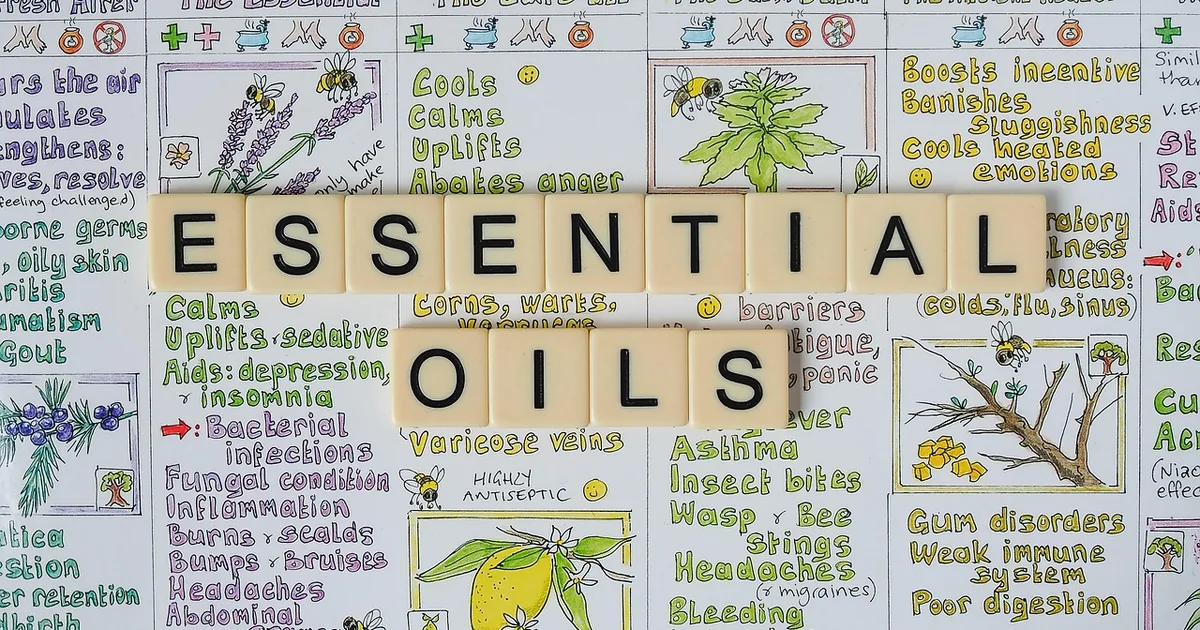
Plant Therapy sells essential oils with an emphasis on testing and child-safe formulations. Essential oils are concentrated plant extracts, and the safety side of using them is not optional detail — it is most of what a buyer needs to know.
Safety first, plainly
Never apply undiluted essential oil to skin. Neat application is the most common cause of sensitisation, and once you have sensitised to an oil the reaction is usually permanent.
Do not ingest essential oils unless directed by a qualified practitioner. They are concentrated enough to cause real harm internally.
Keep them away from eyes and mucous membranes. If oil gets in an eye, flush with a carrier oil rather than water — oil does not wash out with water.
Store well out of reach of children. Ingestion of concentrated oils by a small child is a medical emergency, and some oils are dangerous in very small amounts.
If you are pregnant, breastfeeding, epileptic, asthmatic, or managing any health condition, check with a doctor first. Several common oils are specifically contraindicated in those cases.
Essential oils are not a treatment for illness. Use them for scent and for pleasantness, and see a doctor for anything medical.
Dilution is the whole technique
Dilution rate is expressed as a percentage of essential oil in a carrier oil such as fractionated coconut, jojoba or sweet almond.
Typical guidance: around 1% for facial use and for children, roughly 2% for general adult body use, and higher only for short-term localised application.
A rough working figure is that 1% is about one drop per teaspoon of carrier. Follow the specific guidance on the product rather than estimating.
More is not better. Higher concentrations increase the risk of sensitisation without improving the effect.
Patch test a new oil on the inner forearm and wait a day before wider use.
Children and pets
Plant Therapy's child-safe range exists because many common oils are genuinely unsafe for young children — peppermint and eucalyptus in particular can cause breathing problems in infants.
Use the age-appropriate Plant Therapy range and dilute further than adult rates.
Cats are the significant pet risk. They lack an enzyme needed to process many compounds in essential oils, and diffusing around them can cause real harm. Dogs tolerate more but are not immune, and birds are extremely sensitive.
Diffuse in a ventilated room and give animals the ability to leave it. A closed room with a diffuser and a pet that cannot get out is the situation to avoid.
What GC/MS testing means
Gas chromatography and mass spectrometry identify what is actually in a bottle. Essential oils are commonly adulterated with cheaper oils or synthetics, and the buyer cannot tell by smell.
Plant Therapy publishes batch test reports for its oils. A brand doing that is giving you something checkable, which is the main quality signal available in this category.
Be sceptical of grading claims like "therapeutic grade" — there is no independent body issuing that designation. A published test report is worth more than a label.
Storage and shelf life
Store Plant Therapy oils in dark glass, tightly closed, away from heat and light. Oxygen, heat and UV all degrade oils, and oxidised oils are more likely to irritate skin.
Citrus oils have the shortest life — often around a year. Woods and resins last much longer.
Never store essential oils in plastic. Many will dissolve it.
If an oil smells sharp or different from when you bought it, it has oxidised and should not go on skin.
Single oils, blends and roll-ons at Plant Therapy
Plant Therapy sells single oils, ready-made blends and pre-diluted roll-ons. They suit different buyers.
Single oils are the most flexible and the best value per drop, but you do the diluting yourself.
Blends save buying several bottles to make one scent. Check the ingredient list for any oil you react to or that is unsuitable for your household.
Roll-ons come pre-diluted in a carrier, so they are ready for skin. They are the sensible start for anyone new to Plant Therapy or to essential oils, and the easiest to use safely with children within the stated age range.
Diffusing Plant Therapy oils
A few drops in a diffuser is enough for a room. Follow the diffuser maker's guidance and run it in short sessions rather than all day.
Clean the diffuser regularly, since oil residue builds up and can damage the plastic.
Where the Plant Therapy savings are
Plant Therapy discounts regularly, with creator codes alongside sitewide offers:
Several Plant Therapy codes are single-use and may be spent. Test a couple at checkout.
Carrier oils are the sensible bulk buy — you use far more of them than of essential oils, and they are inexpensive.
Do not stockpile essential oils. They degrade, and a large bottle of something you use twice a year is wasted money.
Common questions
Can I put essential oil straight on my skin?
No. Always dilute in a carrier oil. Neat application causes permanent sensitisation.
Are they safe around cats?
Many are not. Cats cannot process several common compounds. Ventilate and let pets leave the room.
What does "therapeutic grade" mean?
Nothing official. Look for published GC/MS batch reports instead.
Are Plant Therapy roll-ons ready to use?
Yes. They are pre-diluted, but still patch test and check the age guidance on the label.
| Discount | Type | Get the deal |
|---|---|---|
| 25% off | Promo code | View at Plant Therapy → |
| 10% off | Promo code | View at Plant Therapy → |
| Discount Sale On (Storewide) at Plant Therapy | Promo code | View at Plant Therapy → |
| 20% off | Promo code | View at Plant Therapy → |